Photography Basics · Aperture Explained
A Summer Sunset on the Lake
What aperture means, how it changes your photos, and the settings I used to photograph a golden hour sunset.
What Is Aperture in Photography?
Let me paint you a picture. It’s 8:30 on a summer night. You look out the window as the sun begins to set, and the photographer inside you screams, “Golden hour! Time for a picture!” You grab your camera and rush down the hill to the lake, the breeze tousling your hair and the golden glow making everything look magical.
Aperture is one of the three settings that control how your photo turns out. The other two are ISO and shutter speed, and together photographers call them the exposure triangle. Aperture is the opening in your lens that lets light in, and it’s written as an f-number, like f/4 or f/16. It controls two things: how bright your photo is and how much of it is in focus.
What Aperture Does
It controls how much light comes through your lens and how much of your photo is sharp. That sharp zone is called depth of field.
When to Use a High f-Number
Landscapes, sunsets and big scenes. A higher number like f/13 keeps more of the picture in focus, from the front all the way to the back.
When to Use a Low f-Number
Portraits and close-ups. A lower number lets in more light and blurs the background, so your subject stands out.
01 — Golden hour at the lake
Photographing a Summer Sunset
Sunsets are one of my favorite things to photograph, and they’re a great way to practice aperture. The light changes fast during golden hour, so knowing your settings ahead of time helps you catch the moment before it’s gone.
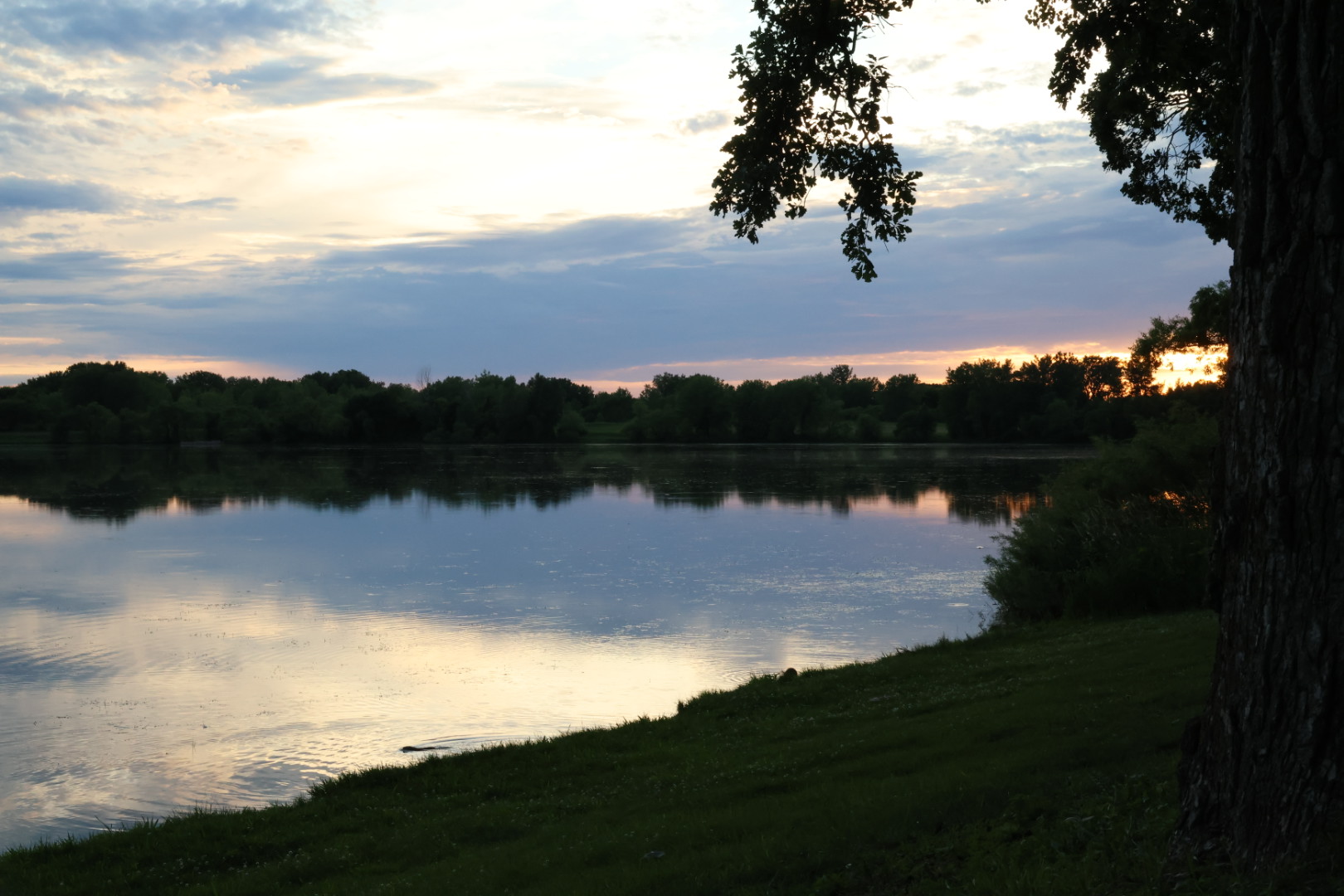
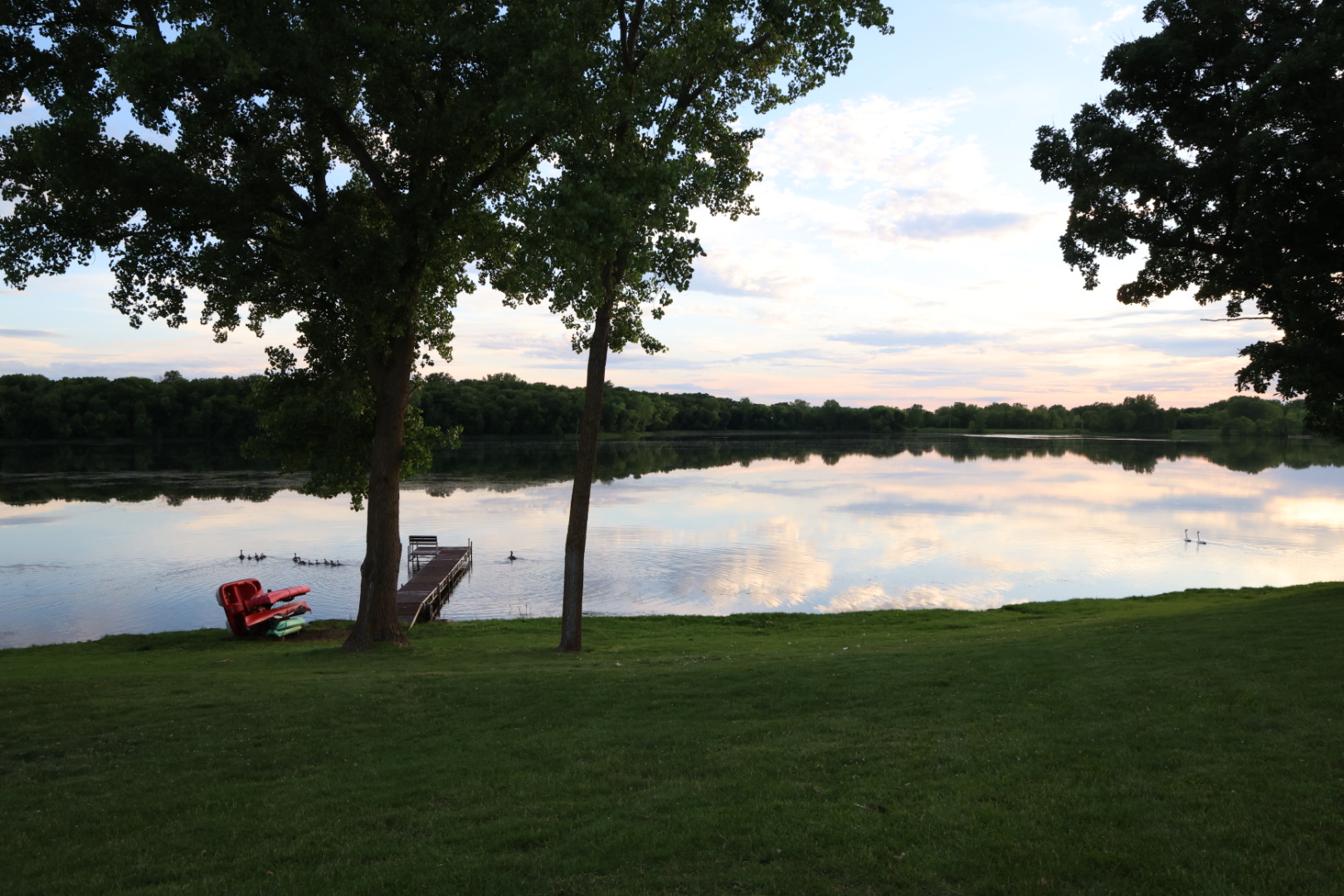
For this first photo of the sky reflected in the lake, I used a high f-number so the water, the clouds and the shoreline would all stay sharp.
02 — Comparing two photos
How Aperture Changed My Photos
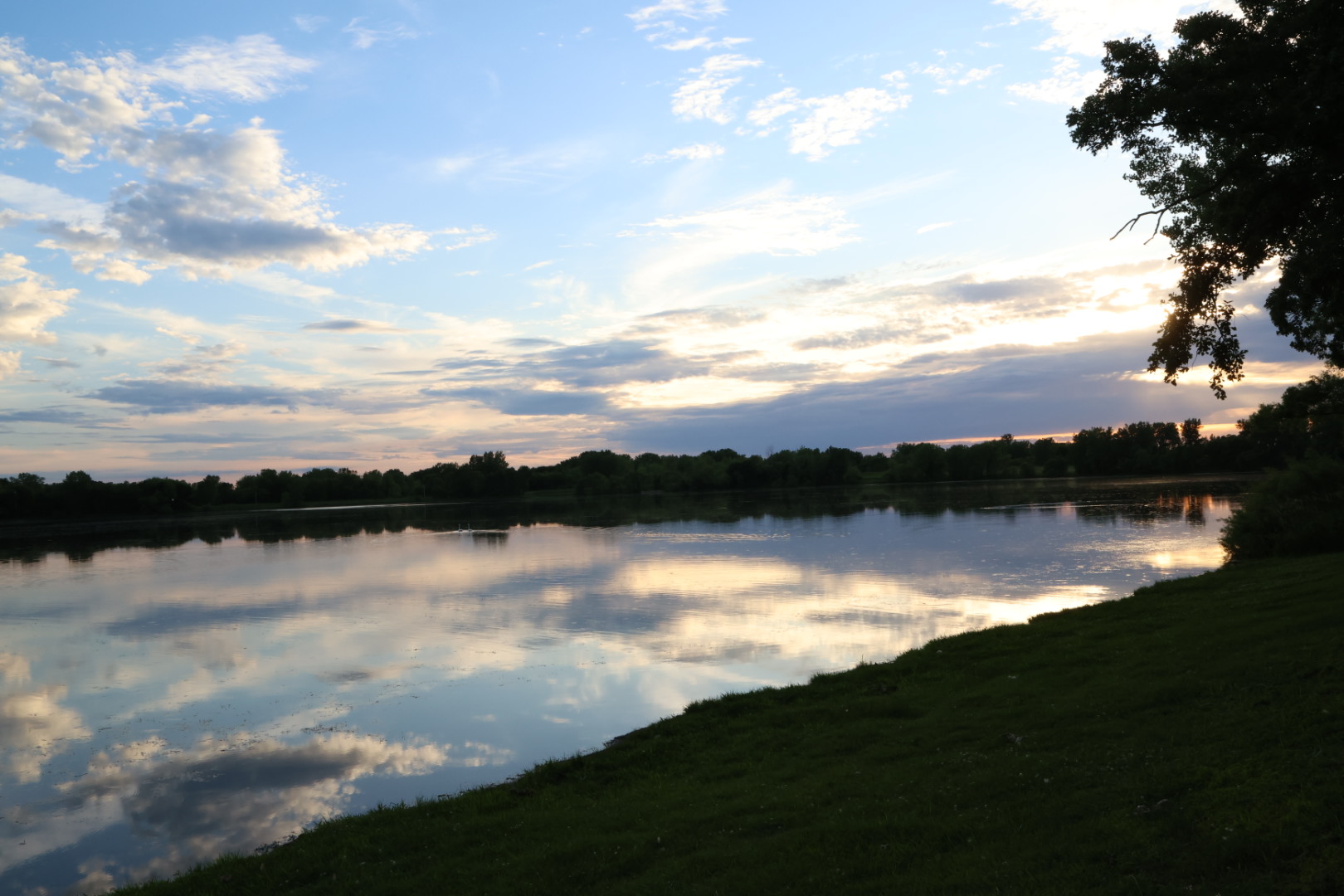
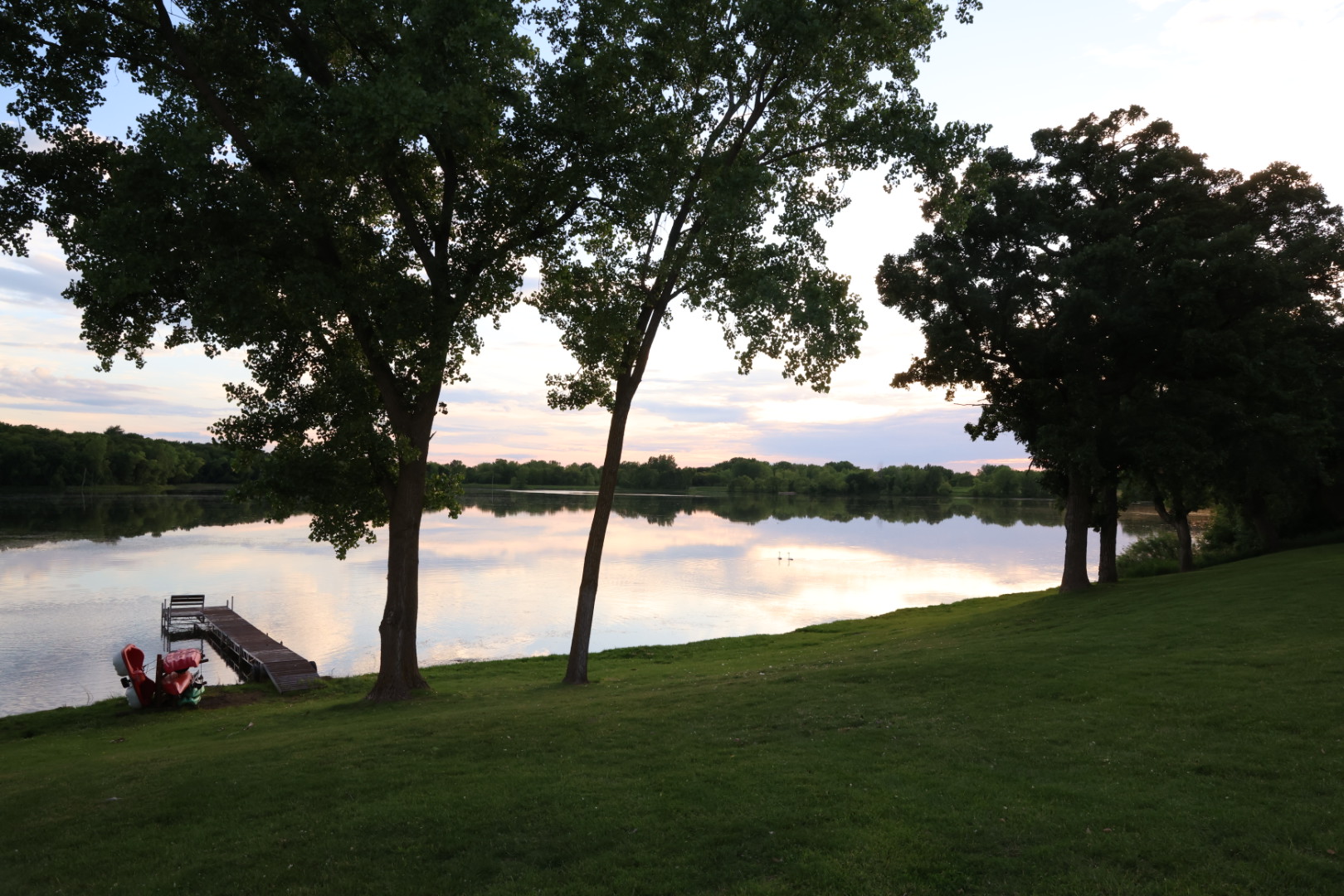
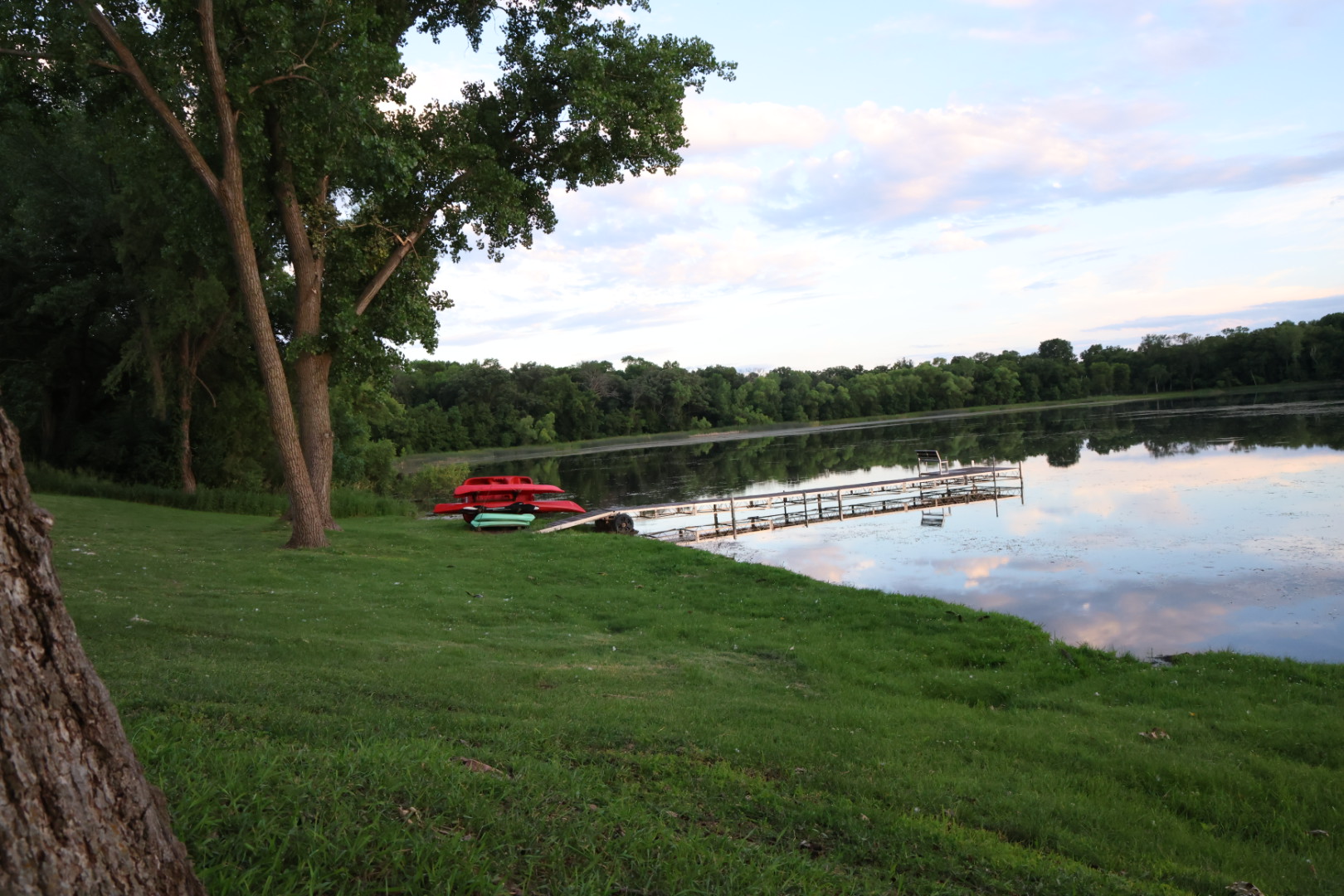
I shot the photo of the lake and dock on the right at an aperture of f/13, ISO 2,000 and a shutter speed of 1/320. The sunset photo below was shot at f/18, ISO 5,000 and 1/400.
Here’s how I like to think about aperture: the higher the number, the more of your photo will be in focus and sharp, but the image will be darker. The lower the number, the less will be in focus, but the image will be brighter.
Behind the shot
My Camera Settings
f/13
Aperture
2,000
ISO
1/320
Shutter speed
24mm
Focal length
These are the exact settings for the photo of the lake and dock above, taken on a Canon EOS R6 Mark III.
03 — The short version
Aperture Explained in a Nutshell
Aperture controls your depth of field. A higher f-number gives you more depth of field, so more of your photo is in focus, but it lets in less light. A lower f-number gives you less depth of field and a softer background, and it lets in more light.
Tip
If your photo is too dark at a high f-number, raise your ISO or slow down your shutter speed to let in more light.
04 — Look around
Same Night, Different Perspective
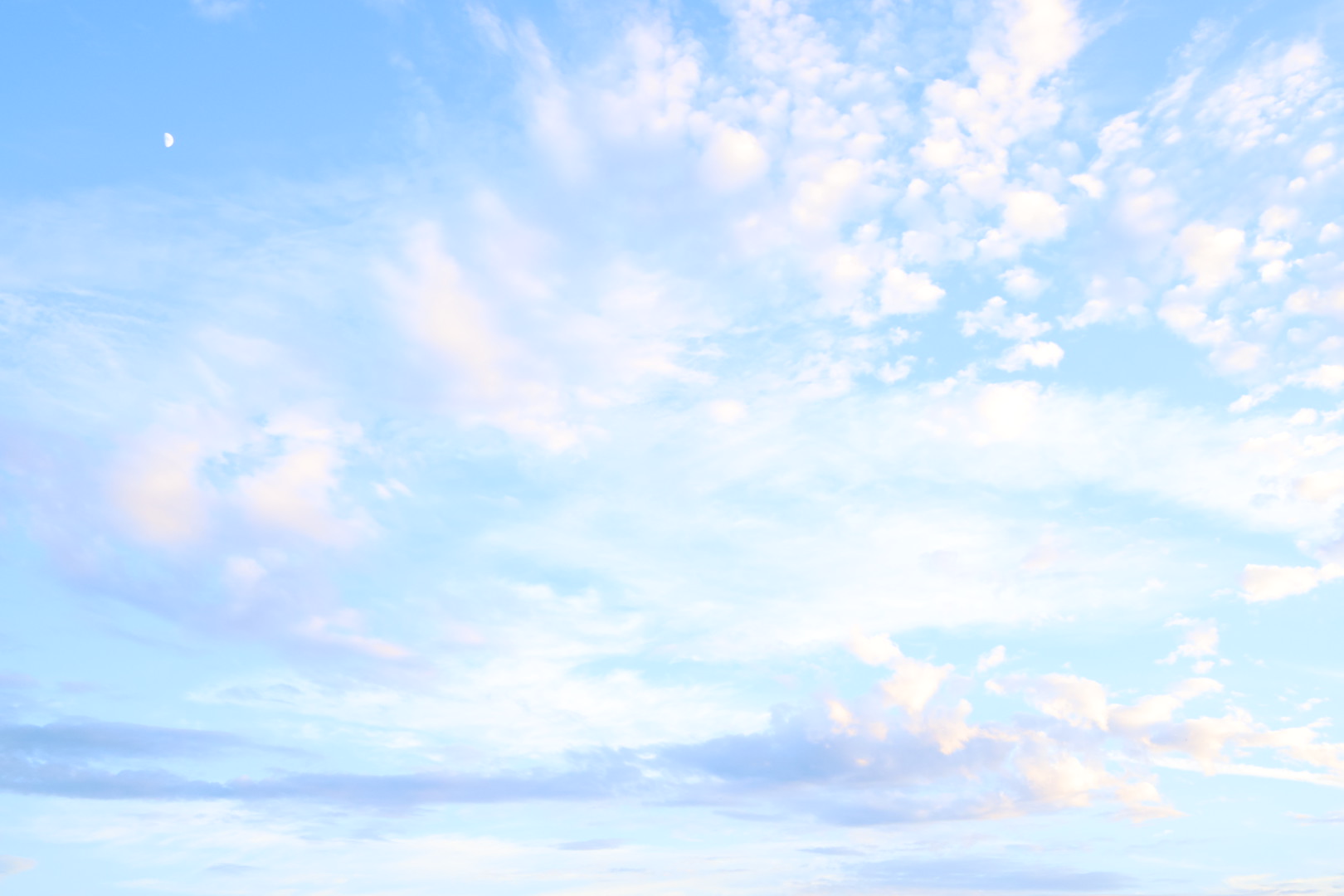
One other thing I want to mention: look around! Especially when you’re photographing nature, there’s always a different angle, perspective or kind of light you can turn into a masterpiece.
This photo of the clouds was taken the same night as all the others. I was sitting, taking pictures and watching the sunset, when I looked up and realized there was a whole other perspective I could shoot from.
05 — Common questions
Aperture Questions Beginners Ask
What does f-stop mean?
The f-stop (or f-number) is the number that describes your aperture, like f/4 or f/16. A lower number means a wider opening that lets in more light. A higher number means a smaller opening that lets in less light.
What aperture is best for sunsets and landscapes?
A higher f-number usually works best, because it keeps more of the scene in focus from front to back. I used f/13 and f/18 for these lake photos.
What aperture should I use for portraits?
A lower f-number, like f/2.8 to f/5.6, blurs the background so the person you’re photographing stands out.
“Don’t settle for inside-the-box pictures. Think outside the box!”
Keep learning
Learn the Rest of the Exposure Triangle
Aperture works together with ISO and shutter speed. Once you understand all three, you can take control of any photo you want to make.